Description
With immediate dental implants, Dr. Faraj removes a damaged tooth and places the implant the same day. It preserves bone, saves about three months of healing, and the restoration looks just like a natural tooth. Eleve offers same-day solutions for nearly every case, even complex molars.
View transcript
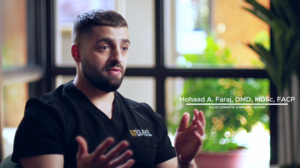
Dr. Mohaad Faraj
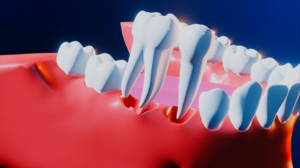
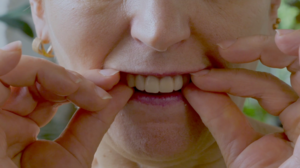
It is one surgery, one time, and that's it. An immediate implant is where we remove a hopeless tooth, and we place the implant that same day, but also usually is much better outcome. The final restoration emerges from soft tissue just like the tooth did, and it's hard for you to tell which one is the implant.
It saves you about 3 months' worth of time waiting for the bone to heal. We're taking advantage of the actual natural healing process of the socket itself to allow us to integrate the implant much faster. Two, and more importantly, it allows us to preserve the bone and soft tissue much better.
If we place the implant, and we support this tissue from day one, the outcome is going to look as natural as your own natural tooth. If you wait for that tissue and bone to collapse, let's say you wait 3 months, but sometimes you're waiting much more, there's going to be more collapse. When we do late implant placement, which it's called, then there's a lot more contour deficiency, which creates more food impaction problems.
An immediate implant is basically where a hopeless tooth is removed, and the implant is placed the same day. It saves about 3 months of waiting, but also usually is much better outcome. The final restoration emerges from the soft tissue just like the tooth did, and it's hard for you to tell which one is the implant.
Eleve is one of the only practices that provide immediacy for most of our cases. I would say 99% of the cases that come through the door where they have hopeless teeth, we're able to provide immediate implant solutions for them.
What sets us apart is especially the molar region, where a lot of clinicians hesitate to place immediate implants in molar region because it is much more technique sensitive. This is routine for us. Every day, we are doing at least one or two immediate molars. I actually go to other states and provide courses for other doctors on how to predictably place immediate molar implants in the entire workflow so the patient gets the best outcome.